
14 abr, 2026
ese food: dishes you have to try at least once
Typical Navarr Navarrese cuisine is a true reflection of respect for tradition, honest work and authentic flavours. That’s why dishes like menestra (vegetable stew), cod ajoarriero-style, lamb al chilindrón and sheep-milk junket continue to delight those who try them with the same intensity as when they came into being in farmhouses, vegetable gardens and family kitchens.
BlogIt’s often said that you discover Navarre through the taste buds, because each bite reflects a living tradition, a landscape and a way of understanding cuisine deeply connected to its origins. Among mountains and green valleys, vegetable gardens and villages built with stone, the flavours retain a unique identity that speaks of both products and history. Here, gastronomy isn’t just enjoyed at the table; it’s also culture, community and an essential part of daily life. That’s why we propose an irresistible getaway to savour the dishes that define the culinary essence of this land. A culinary ‘journey of initiation’ to help you discover, at your own pace, the identity of this bountiful region. Get ready to salivate, because we’re going to explore some of our most beloved treasures: the typical Navarrese dishes you simply must try at least once in your life.
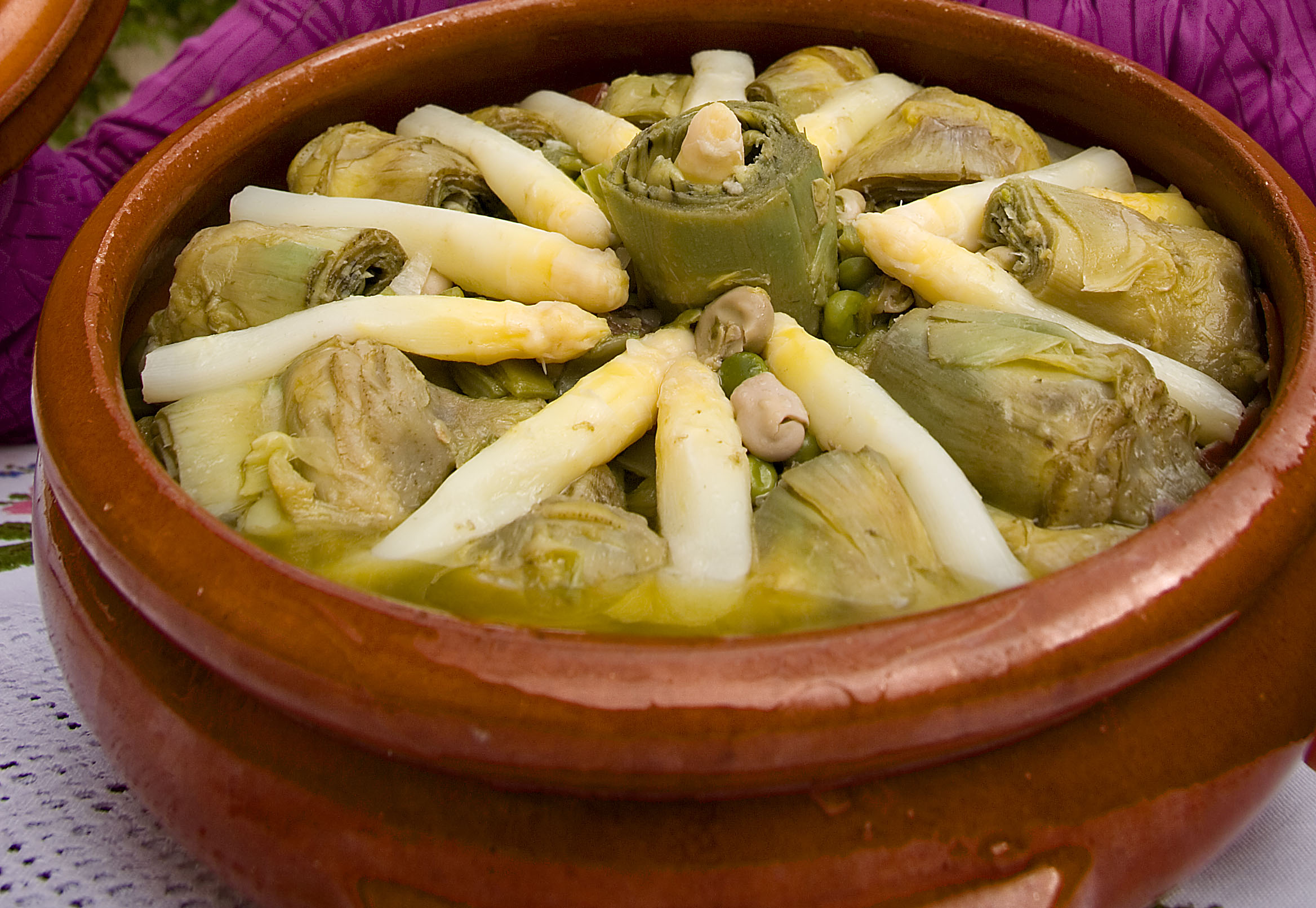
Menestra: the pride of Navarre’s market gardens
Menestra is one of the most iconic dishes in Navarrese cuisine. There’s nothing else quite like it: each vegetable, fresh and in season, is cooked separately, with care, to respect its individual character, before coming together with the rest in a festival of colour and flavour that pays homage to our local produce. Asparagus, artichokes, broad beans and peas combine in a recipe that represents the perfect balance between tradition, seasonality and devotion to authentic flavour.
In Tudela, the undisputed capital of vegetables, menestra is practically a religion. And they celebrate it in grand style, with festivals and events which show that the land is revered here.
Ajoarriero: taste of yesteryear, strength of the present
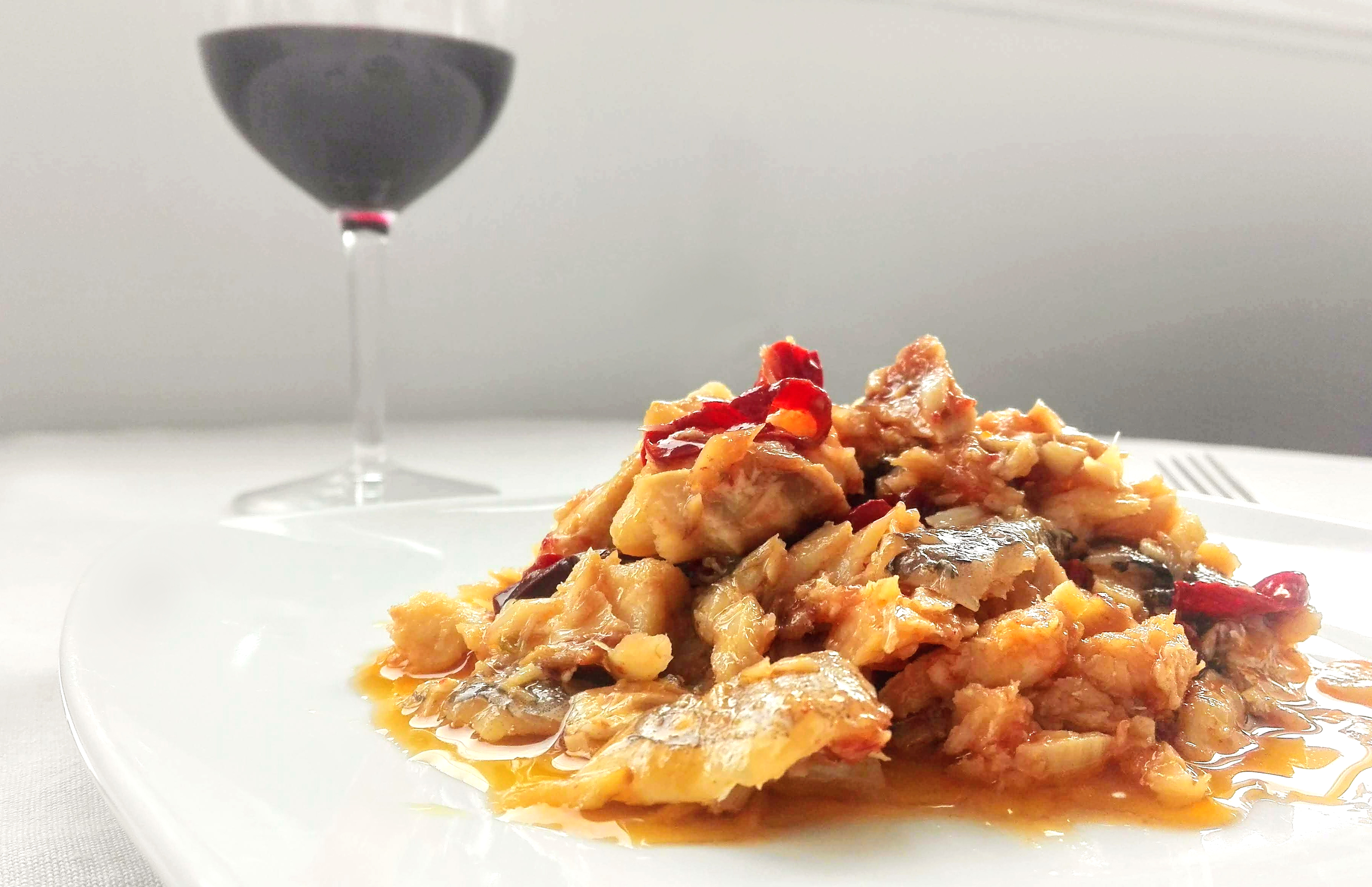
Cod ajoarriero-style, which came into being among the muleteers who used to travel through Navarre laden with cod, olive oil and vegetables, retains its adventurous spirit. Rustic and deeply traditional, it’s a hearty stew that’s experienced before you even eat it: the desalting of the cod for more than a day, the sizzle of the garlic, onion and peppers until they come together in a luscious sofrito and the moment the fish is incorporated. If you add potatoes or a poached egg, you’ll see how a humble dish, served in an earthenware dish, can become a comforting feast.
Although every town and village has its own version, ajoarriero has always maintained a common essence that Navarre proudly displays in its pintxos and at gastronomic competitions like the traditional Lesaka Fairs. If you like cuisine with character, this is a must-try.
Lamb al chilindrón: a stew to stop time
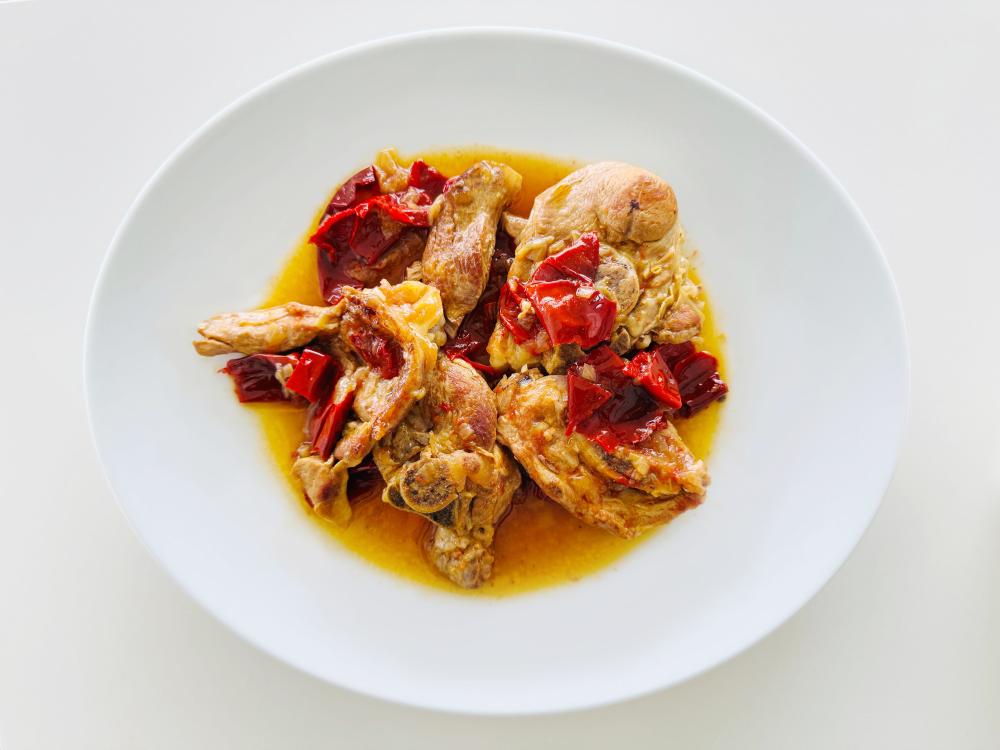
When lamb is cooked slowly, the magic of chilindrón, a warm and deeply Navarrese stew, emerges. A dish that tastes of home, shared winters and long after-dinner conversations.
Made with tender lamb, accompanied by a juicy mix of peppers, tomato, onion and garlic, this traditional dish has only one secret: slow cooking, allowing the meat to absorb all the sweet and slightly smoky flavours of the vegetables.
Each spoonful is a journey to the heart of Navarre, where it takes centre stage on winter menus. Savouring it is, ultimately, a rediscovery of classic cuisine; the kind that needs no artifice, just good ingredients.
Sheep-milk junket: the dessert that tastes of the farmhouse
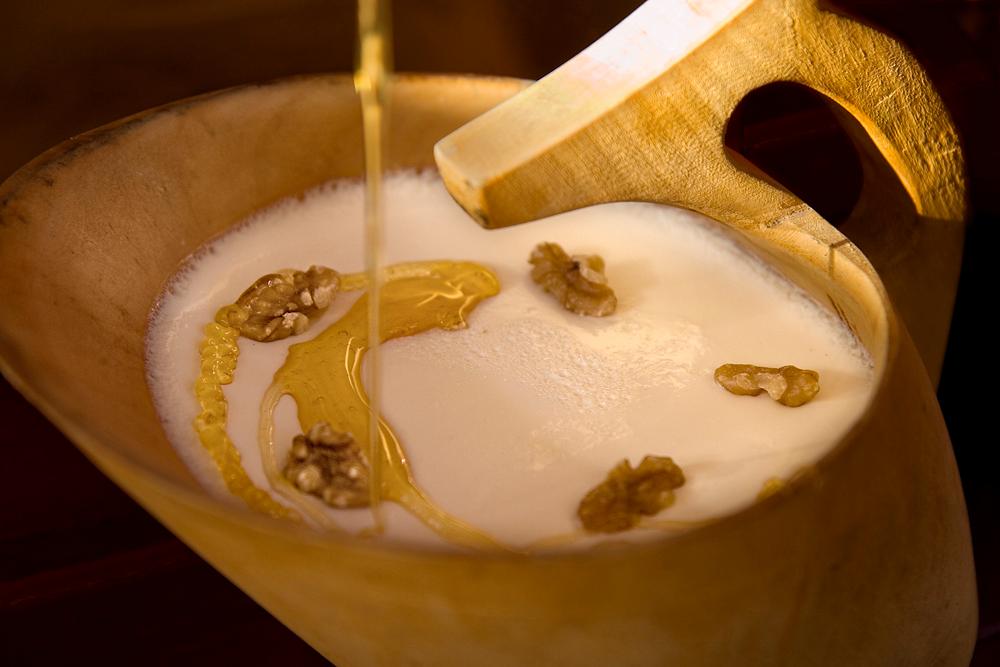
Junket is one of the most characteristic desserts of Navarrese gastronomy. Made with freshly drawn sheep’s milk, this dessert, with its rural soul, has the power to transport you to the inside of a farmhouse, to the aroma of the pastures and to the sound of sheep bells. Its uniqueness stems from an ancestral practice: introducing incandescent stones into the kaiku, the wooden jug where the milk is heated, creating an unmistakable burnt taste known as kizkilurrin.
Made exclusively with quality milk and rennet, and often accompanied by a touch of honey or sugar, it offers a smooth, natural experience, sharing the table with other classics such as cheese or canutillos de crema (puff pastry cones filled with pastry cream).
Txistorra: simplicity, tradition and a rural legacy
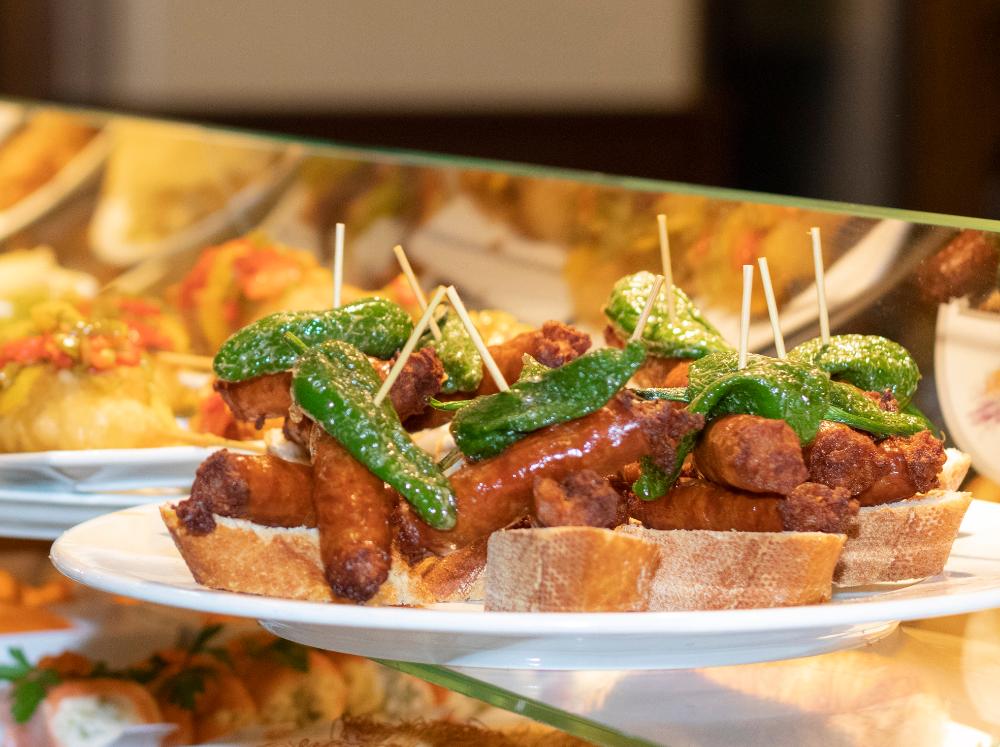
Txistorra sausage is a simple, typical Navarrese dish that wins you over from the first bite. Created in farmhouses and tied to the winter pig slaughter, it’s one of the best examples of how basic ingredients like pork, garlic, paprika and salt can make for something quite exquisite. Its secret: preserving the essence of traditional food preparation, the way it was done in the past. It’s no wonder, then, that it has its own Protected Geographical Indication and has become a gastronomic symbol of Navarre. It even has its own festival: Txistorra Day in Arbizu, where you can see how it’s made, taste it and celebrate it, as generations have done before.
Tudela lettuce hearts: a tender bite from the vegetable garden
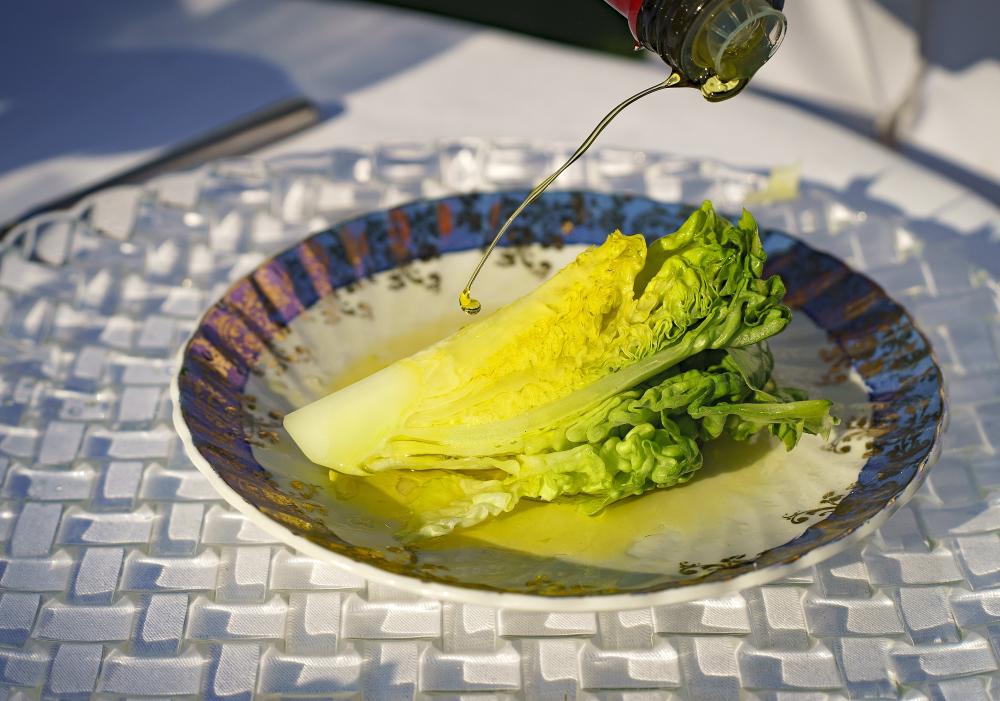
In Navarre, lettuce hearts come with their own name: Tudela. Small, green and crunchy, they are recognised for their tender texture and delicate flavour.
They come from the historic Ribera region, where the climate, traditional irrigation and the expertise of the local farmers result in a unique product, so prized that it forms part of Tudela’s exquisite ‘golden trio’ alongside artichokes and borage.
If you try them grilled with garlic and anchovies or in a salad with a good Navarrese olive oil, you'll understand why they are true gems and an essential part of the horticultural wealth that has made Tudela famous throughout the country.
Tudela artichokes: the queen of the vegetable garden
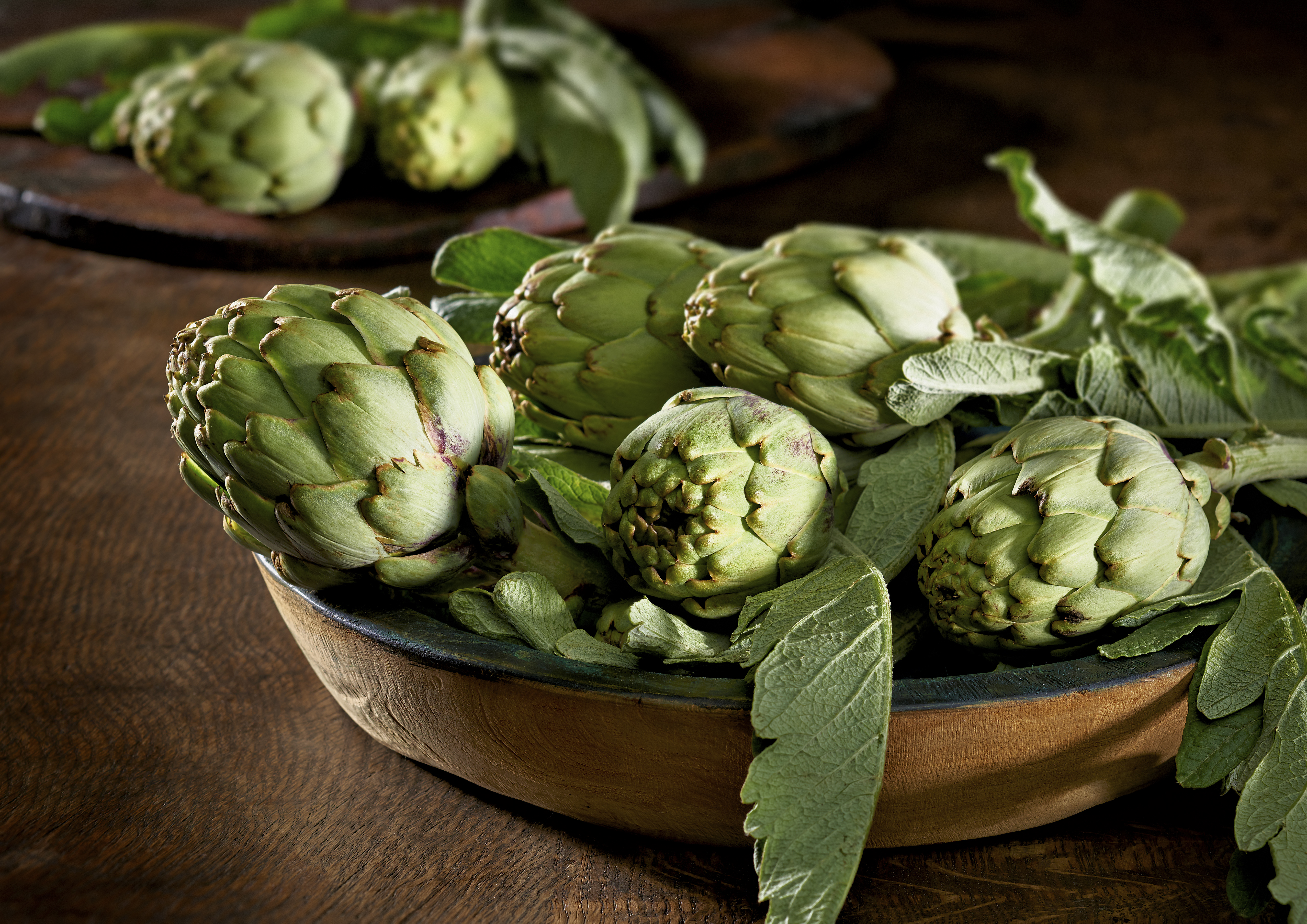
The Tudela artichoke is one of the great jewels of the Navarrese market garden: tender, crisp and with that elegant touch of bitterness that makes it unmistakable. The variety grown here is the Blanca de Tudela artichoke, cultivated using traditional methods and protected with its own Protected Geographical Indication, which guarantees its origin and quality.
These artichokes are best enjoyed in their prime, when fresh, from November to January and from February to June. But you can also enjoy them preserved naturally, unacidified, just how they used to be kept in traditional Navarrese homes. Boiled, sautéed, with clams or simply opened up like flowers with a good local olive oil and a D.O. Navarra wine, they are a true delicacy. This is how they are presented at the Artichoke and Asparagus Day in Cabanillas and at gastronomic events held in Tudela, where they reign supreme.
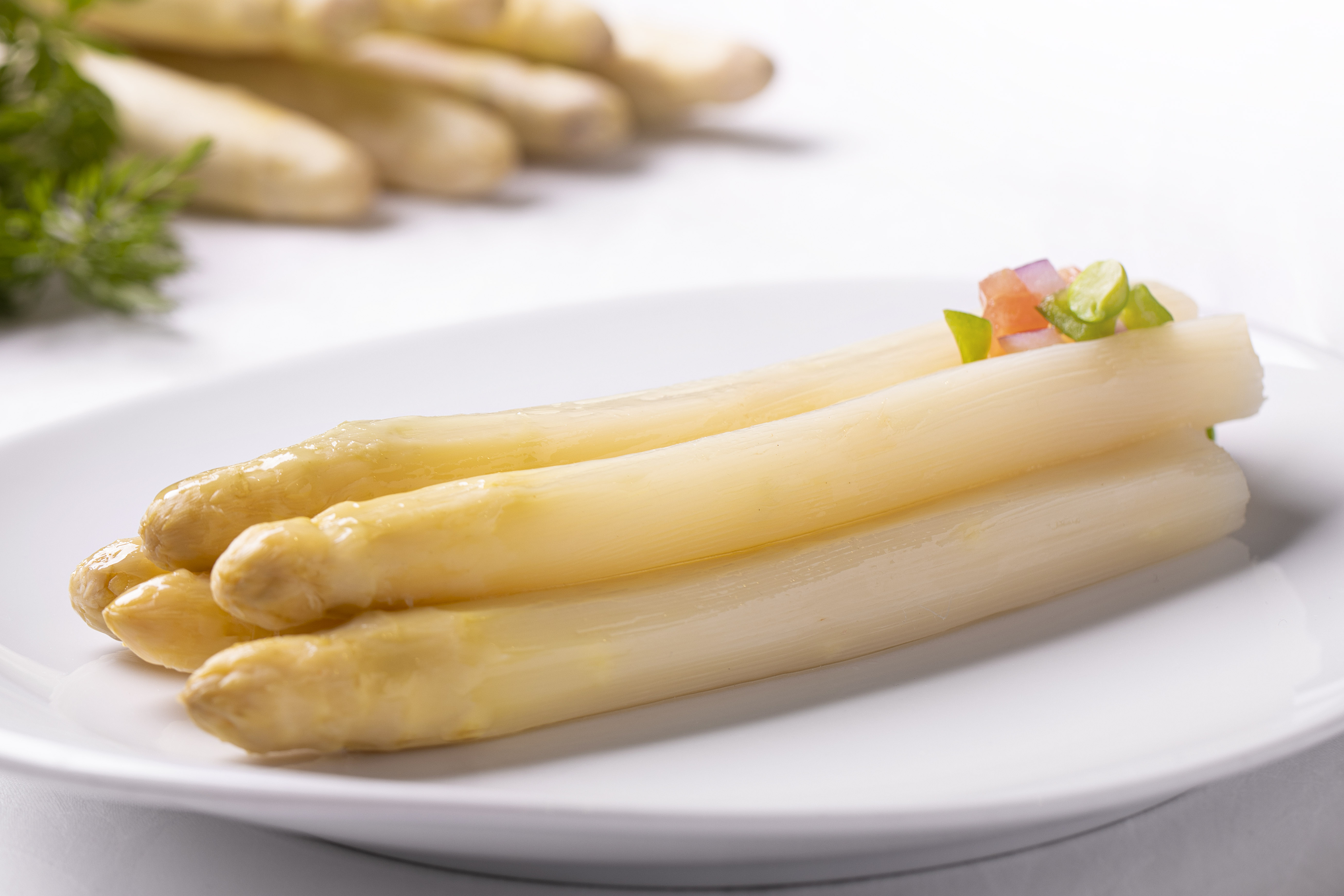
Navarra asparagus: ‘white gold’
Navarra asparagus needs no introduction: its fame precedes it. With Protected Geographical Indication status since 1986, guaranteeing its quality, it’s hand-harvested before dawn, following a delicate process that explains its smooth texture and slightly bitter, addictive flavour.
Considered the ‘white gold’ of the vegetable garden, it’s a true source of gastronomic pride for Tierra Estella, Central Navarre and the Ribera region. Savouring asparagus—tepid with a good Navarrese olive oil or in a spring vegetable menestra—is to connect with the essence of Navarre; with its fertile land and the prominence of first-rate ingredients.
It’s no wonder, then, that there are celebrations in its honour, such as Asparagus Day in Mendavia and the Dicastillo Asparagus Fair, with a competition and public tasting, where several hundred kilos are shared out.
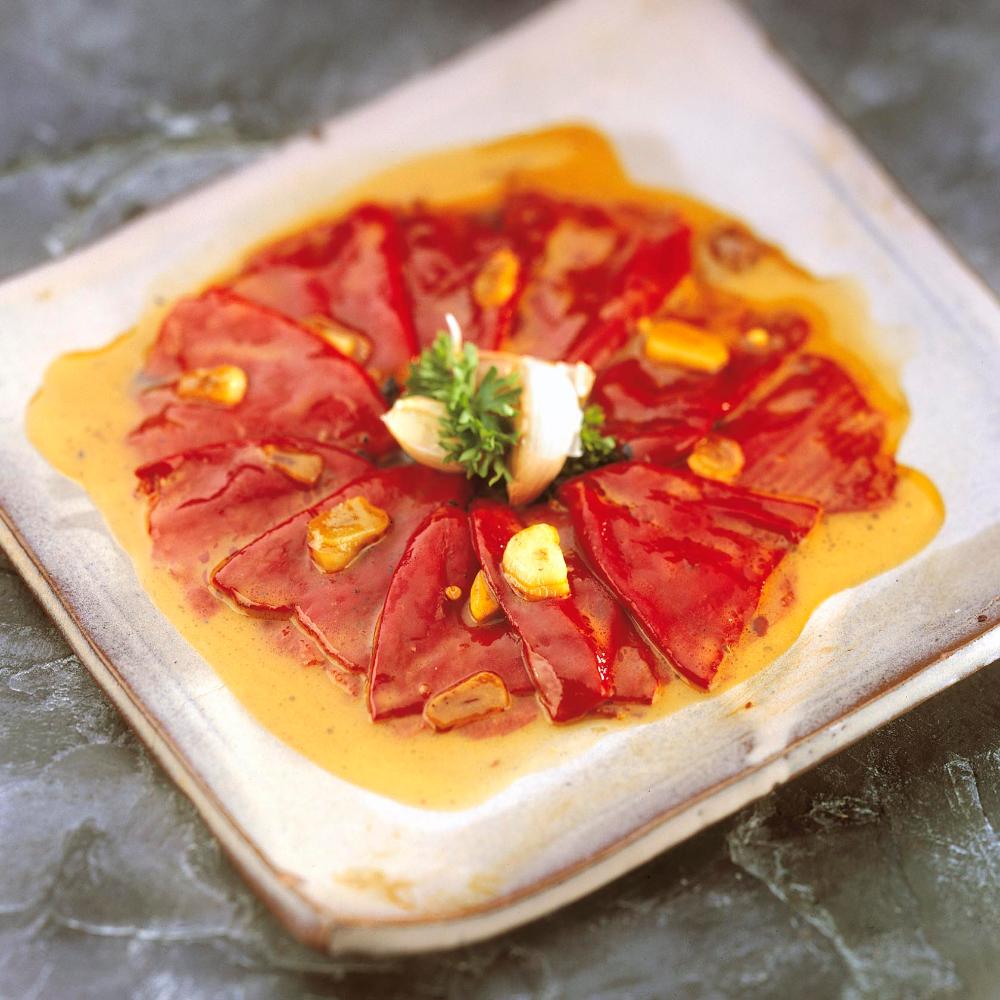
Piquillo peppers: red, sweet and absolutely Navarrese
When autumn arrives, the Tierra Estella and Central Navarre regions turn red: it’s time for Piquillo peppers from Lodosa, one of Navarre’s most beloved Designation of Origin products. Sweet, slightly smoky and with a silky texture achieved only through roasting and peeling by hand, they are a truly unique delicacy.
In Lodosa, they celebrate Lodosa Piquillo Pepper Appreciation Day, where producers and locals offer them freshly roasted, just as tradition dictates.
One taste and you’ll understand why they are so famous: a true-to-roots product that reflects Navarre at its finest.