
16 dic, 2025
What to eat in Navarre when you come to visit us in winter
We're going to let you in on a secret for you to keep: in Navarre, winter tastes like home… and it comes served in a deep bowl. It's time to savour the magnificent vegetables from the market gardens around Tudela and the traditional local lamb in its many forms, and to get ready for a trip to a sidrería (cider house). Because here, it’s the land and genuine flavours that rule, the fruit of deeply rooted traditions and best enjoyed in good company.
BlogWinter in Navarre isn't grey: it's green, orange, white, russet, golden… thanks to its most emblematic cuisine, which transforms the cold months into a feast of flavour and tradition.
We can get the season under way with the winter vegetables of Tudela, which have shaped the identity of this land since time immemorial. It’s time to try some of Navarre’s most typical dishes, featuring top-notch ingredients: broccoli, cauliflower, frisée, celery, chard, artichoke, borage, cardoon, cabbage, leaf chicory and pumpkin.
Exclusive menus available in Tudela and the Ribera region that pay homage to this culinary heritage teach us how broccoli and cauliflower are perfect for cream soups or steamed dishes; how frisée and leaf chicory bring magnificent salads to life; and how celery and chard are ideal in broths and stews. Borage also comes as a surprise, with its bright green colour and almost liquid texture, complemented by potato, ham and hard-boiled egg, creating fantastic shapes and textures. And what can we say about the artichoke, whose unique flavour is the very essence of vegetable luxury? And at this time of year, you just have to reserve a special place for cardoon! One of the most typical dishes in Navarre at Christmastime, cooked with a garlic and spring onion sofrito, ham, flour and chopped almonds, it has a delicate flavour and tender texture. Or, for a taste of the sea, try it with fresh clams and prawns, perfect for any festive meal. Finally, the pumpkin reigns supreme. Sweet and unique, its vibrant colour brightens up any recipe.
So we invite you to discover the authentic character of these locally grown winter vegetables, enjoyed fresh and at the peak of their quality. Because in Navarre, the natural cycles of vegetable plots and the local spirit that permeates everything are respected. Along the way, you'll also discover that these are true superfoods, with multiple health benefits. It's no wonder they are so well-known beyond our borders!
So let’s go to visit some of the area's most iconic restaurants to savour the most incredible vegetable recipes, prepared by chefs capable of transforming the vegetable garden into art. The first port of call, Restaurante Topero in Tudela to try their red cardoon with ham and toasted almonds. And then it’s on to El Choko de Remigio, where you can try the delicate borage, accompanied by a potato foam with cockles. After that, a succulent offering from El Trinquete: celery salad with a cream made from the stalk and other frost-hardy vegetables. From there, it’s Restaurante Beethoven in Fontellas, where you are set to be won over by their signature dish: leaf chicory dressed with olive oil, whole-grain mustard and Navarrese sheep's cheese. And then to finish, artichokes the way they prepare them in Restaurante Treintaitrés, a reinterpretation of this classic of Navarrese product, enveloping the dish in a vegetable sauce and topped with quinoa.
And if you want to take things even further and enjoy a fully immersive experience, don't miss Inverdura, the best showcase of our vegetables.
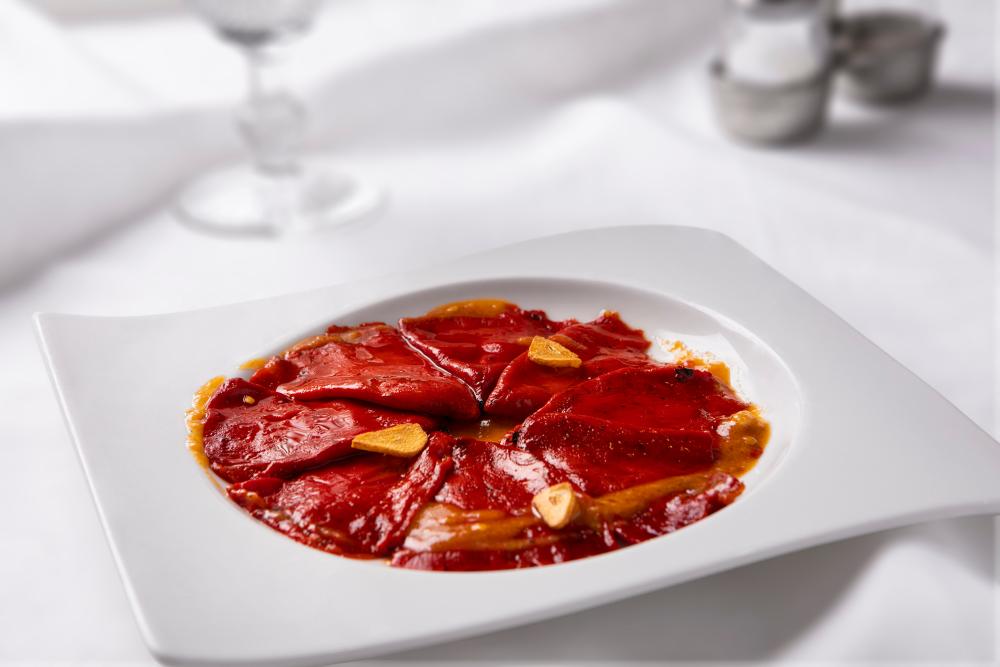
Red cardoon, the hidden gem
Highly prized since Roman times, red cardoon is another of Navarre's winter gastronomic treasures. It’s a variety of white thistle, grown especially in Corella, with a tender texture and a very distinctive sweet flavour.
If that sounds appealing, you're in luck! The town celebrates a grand festival in its honour before the end of the year: the Red cardoon days, an event that will allow you to discover the history of this mysterious vegetable, purchase it directly from its producers and enjoy activities such as markets, workshops, themed pinchos and guided tours of wineries.

Lamb, the essence of Navarrese cuisine
When it comes to winter classics, Navarra lamb, with its Protected Geographical Indication, is an absolute must, a celebration of quality and provenance. Born and raised here using traditional methods, it comes from two native breeds: Latxa and Navarra, both known for their tender, juicy meat. We eat two different versions: lechal (suckling) lamb, mild and delicate, and ternasco lamb (less than 100 days old), with more character and flavour.
Let’s sit down at the table and take in the rich aroma of lamb al chilindrón in its sauce, a blend of piquillo peppers, tomato and that touch of garlic that awakens the senses and warms the body.
You can also tuck into roast lamb: the pure essence of Navarre, slow-roasted, letting the heat work its magic until it's crispy on the outside and juicy on the inside.
If you’re feeling bolder, try menudos made with suckling lamb: tripe, kidneys, sweetbreads… a delicacy that takes you back to 'grandma's recipes' and leaves a lasting impression.
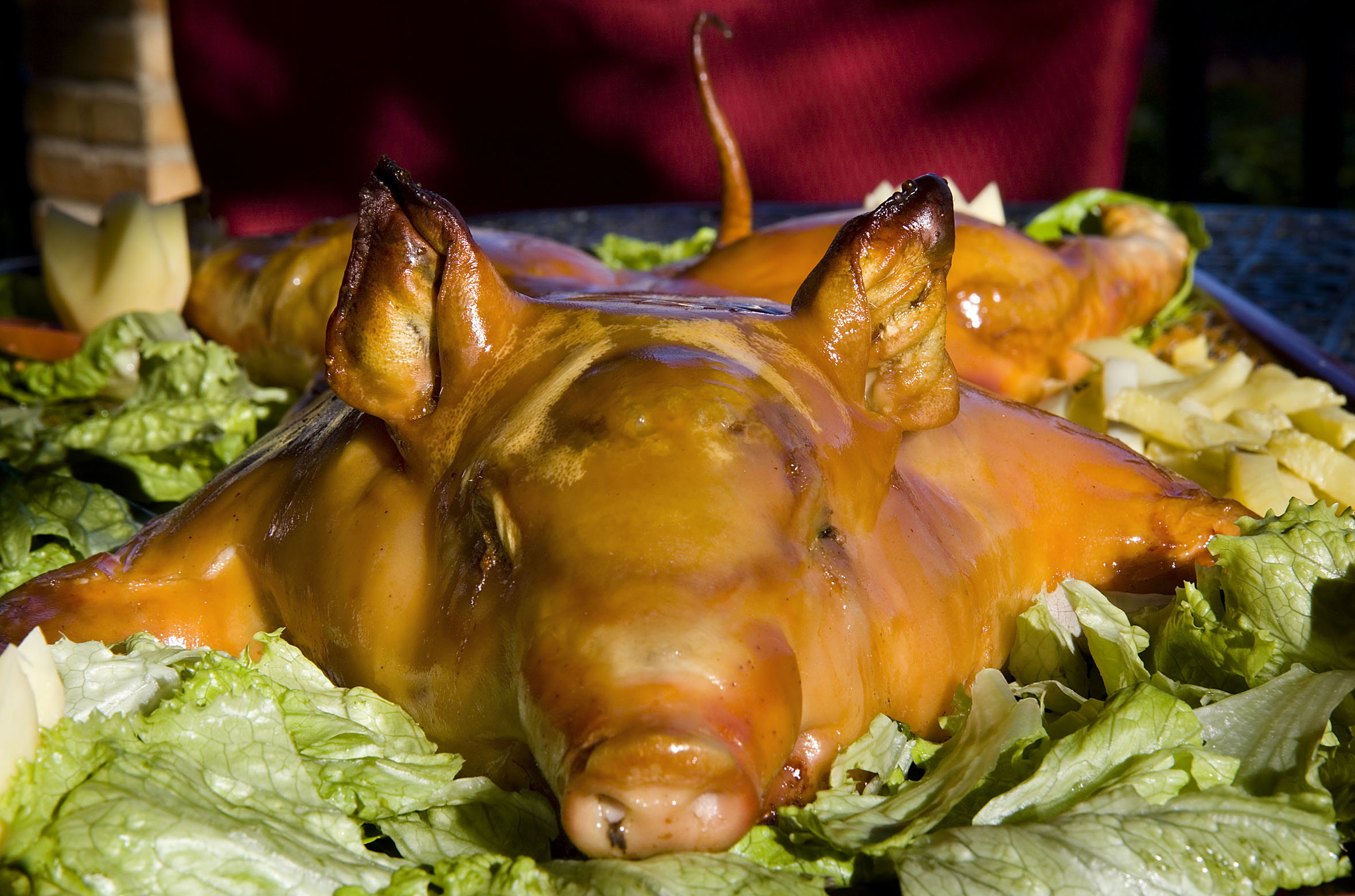
But take note! There’s more to Navarre than just lamb. Among the typical meat here, there’s also suckling pig, cooked in the local style: marinated, roasted in a wood-fired oven and drizzled with white wine. Served with salad, sliced potatoes or peppers, it's absolutely delicious! And it even has its own celebration: Roast Suckling Pig Day in Estella-Lizarra.
Going to a sidrería (cider house) in Navarre: a day out steeped in tradition and good spirits
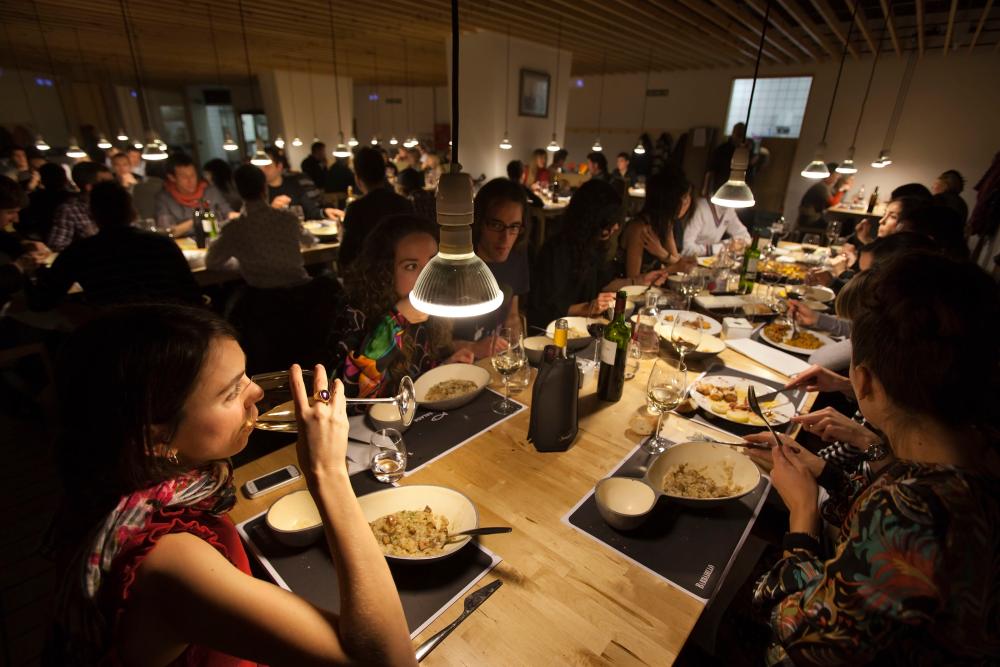
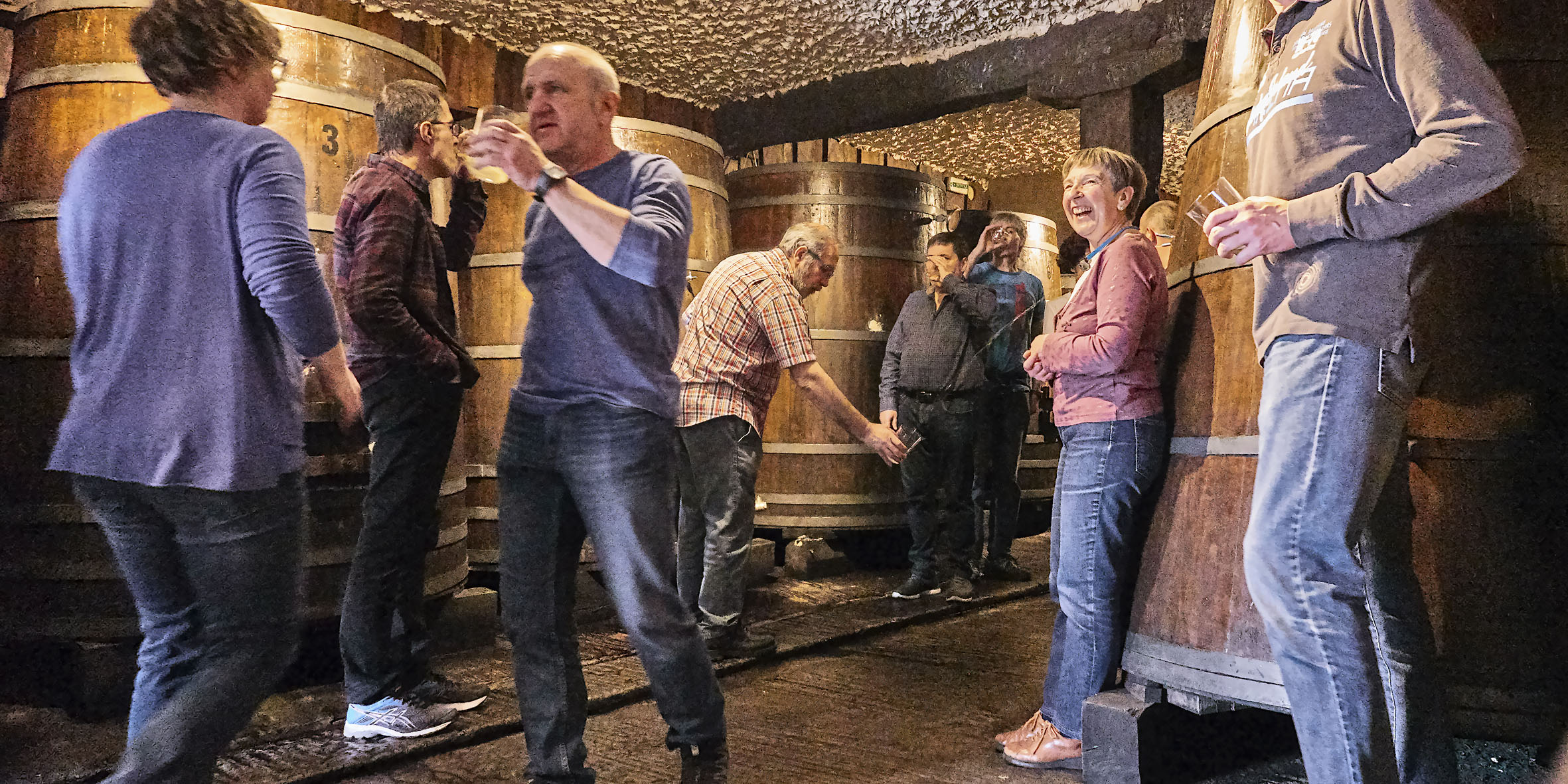
The sound of the cider pouring from the barrel and hitting the glass, with that fresh, fruity aroma in the air, leaves no room for doubt: one of Navarre's most deeply rooted traditions has begun! Going to a sidrería to the cry of “Txotx”.
In amongst wooded hills and flocks of sheep, sit around a long table to laugh, drink and share typical Navarrese dishes that pay homage to the most honest cuisine: chorizo cooked in cider, cod omelette, rib-eye steak and local cheese with quince jelly and walnuts. And, between bites, repeat the ritual of getting up, approaching the kupela (cider barrel) and pouring yourself a glass, just as tradition dictates.
Sound good? Then take note! From mid-January to May, you can enjoy this way of eating out, a combination of flavour, fun and culture, especially at the sidrerías that take care of the entire production cycle, from growing their own apples to fermenting their own cider, all with an eye on sustainably: Larraldea in Lekaroz, Linddurren Borda in Lesaka, Behetxonea in Beruete, Toki-Alai in Lekunberri and Martitxonea in Aldatz.
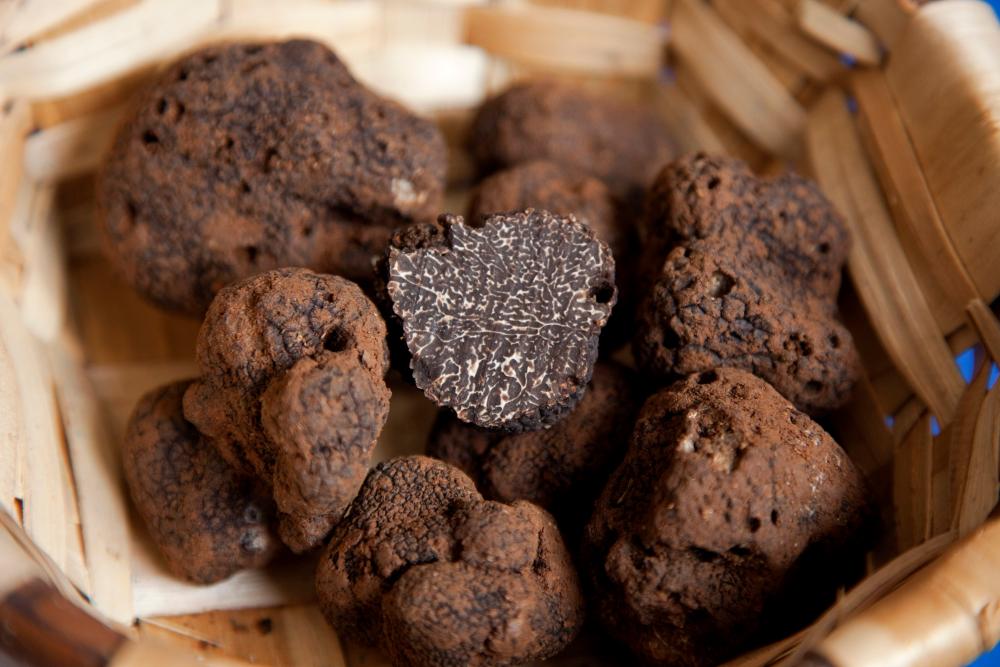
The black diamond of Navarre: a typical part of Navarrese gastronomy
Nestled in Sierra de Lokiz, in Tierra Estella, stands the Metauten Truffle Eco-Museum, where all the secrets of this coveted ingredient are kept.
To discover them, the museum offers a complete sensory experience, including a guided tour of a plantation to learn about how truffles are grown, looked after and harvested, and how expert truffle dogs are trained. You even get to pick fresh truffles! And, to finish, enjoy a tasting of gourmet products made with the so-called ‘black diamond’, each one more delicious than the last.
Piquillo peppers from Lodosa and pochas beans from Sangüesa
Although we’re a bit out of season, you shouldn’t forget two other typical Navarrese dishes in winter! Piquillo peppers from Lodosa and Sangüesa’s delicious pochas beans.
These premium peppers are roasted, carefully peeled and then stuffed with beef and pork, blood sausage meat or cod, creating a potent fusion of surf and turf that surprises everyone with its delicate flavour.
As for pochas beans from Sangüesa, you still have time to visit this wonderful mediaeval town and enjoy their mild flavour and creamy texture. The moment you taste them, you'll understand why this humble dish has earned a place in the hearts (and palates) of all of Navarre.
And that concludes our tasting suggestion tour, capable of transforming the colder months into a warm and memorable experience. So now you know; if you see any of these typical Navarrese dishes on the menu, don't hesitate! Pair them with a good Navarra wine and let the culinary wisdom of this land do the rest.