

Camino de Sakana
 Irurtzun
Before king Sancho el Mayor of Navarre established what is known as the "French Way" as the official way to Santiago de Compostela, pilgrims used a different route from the 9th to the 11th centuries.
As evidenced by a number of documents, this route used the Iter 34 Roman road that was built in the 1st century between Bordeaux (France) and Astorga (León - Spain) and which, after crossing the Pyrenees and passing through Roncesvalles and Pamplona, ran through Sakana and continued on towards Vitoria and Burgos.
From the 11th century onwards the Sakana Way, also known as the "Camino de la Calzada" (Roman road way) fell into disuse, becoming a minor half-forgotten route. However, today, it is once again possible to enjoy the section that runs through this beautiful valley as it has now been signposted and offers all the necessary hospitality, dining and transport services.
Would you like to go back to the origins of the Way and do this 45-kilometre route in two or three stages? You can plan your route to suit yourself, as the villages in the Sakana valley are ready and waiting to welcome you.
Sections
Sakana Way: Irurtzun-Lakuntza
N/A
20.55 km
156.0 m
Baja
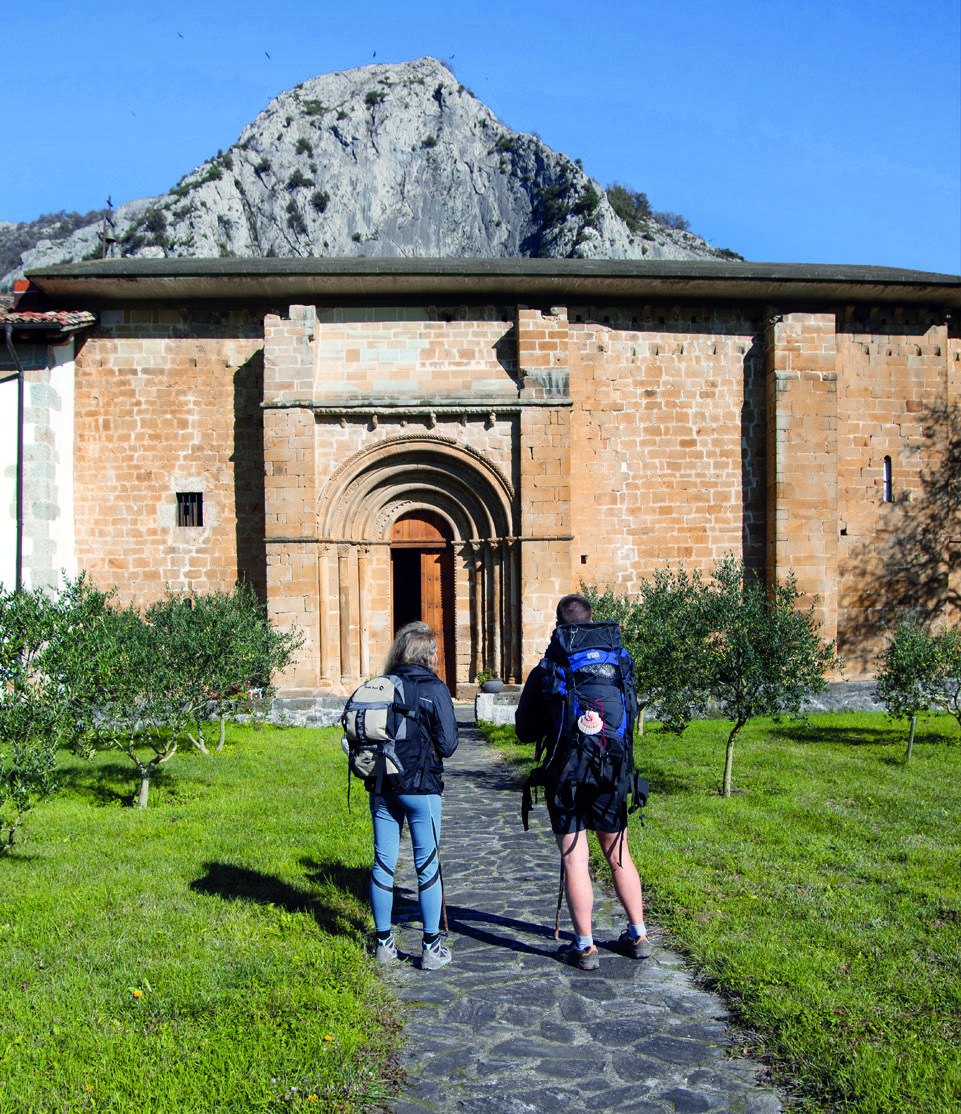
Along the way, there are some real jewels of architecture to be found, such as the Romanesque hermitage of Santiago de Itxasperri, in Egiarreta (Valley of Arakil) or the Monastery of Zamartze, in Uharte Arakil, a Romanesque building with a single nave floor plan with particular mention of the carved doorway in the style of Master Esteban. Today, alongside the monastery, there is a house for retreats, that welcomes pilgrims
Very close by stands the Sanctuary of San Miguel de Aralar, located in the Sierra of Aralar, at an altitude of 1241 metres and at 10 kilometres from Uharte Arakil. Inside the Romanesque church there is an effi gy of St Miguel de Aralar and an enamel reredos, a12th century masterpiece of silver work.
On the Sakana Way, you will get a view of one of the most spectacular peaks in Navarre, namely Mount Beriain, on the summit of which stands the hermitage of San Donato, at an altitude of almost 1,500 metres.

Sakana Way: Lakuntza-Ziordia
N/A
26.51 km
211.0 m
Media
Its history dates back to the 1st century when the Roman road named “Iter XXXIV” connecting Bordeaux (France) with Astorga (León - Spain) was built. The use of this route gradually declined in later centuries until, in the 11th century, king Sancho el Mayor (the Great) restructured the route of the pilgrims to Santiago and changed its routing through Navarre. The French Way, the most popular route today, became the main route to Santiago, while the Sakana Way fell into disuse.
Over the last few years, the Sakana Way, also known as the “Forgotten Way” or the “Asturias Way”, has been restored, maintaining its original path.
If you need to stay the night along the way, you have a choice of hotels, campsites, country holiday homes and apartments and also take theopportunity to taste the superb local cuisine.
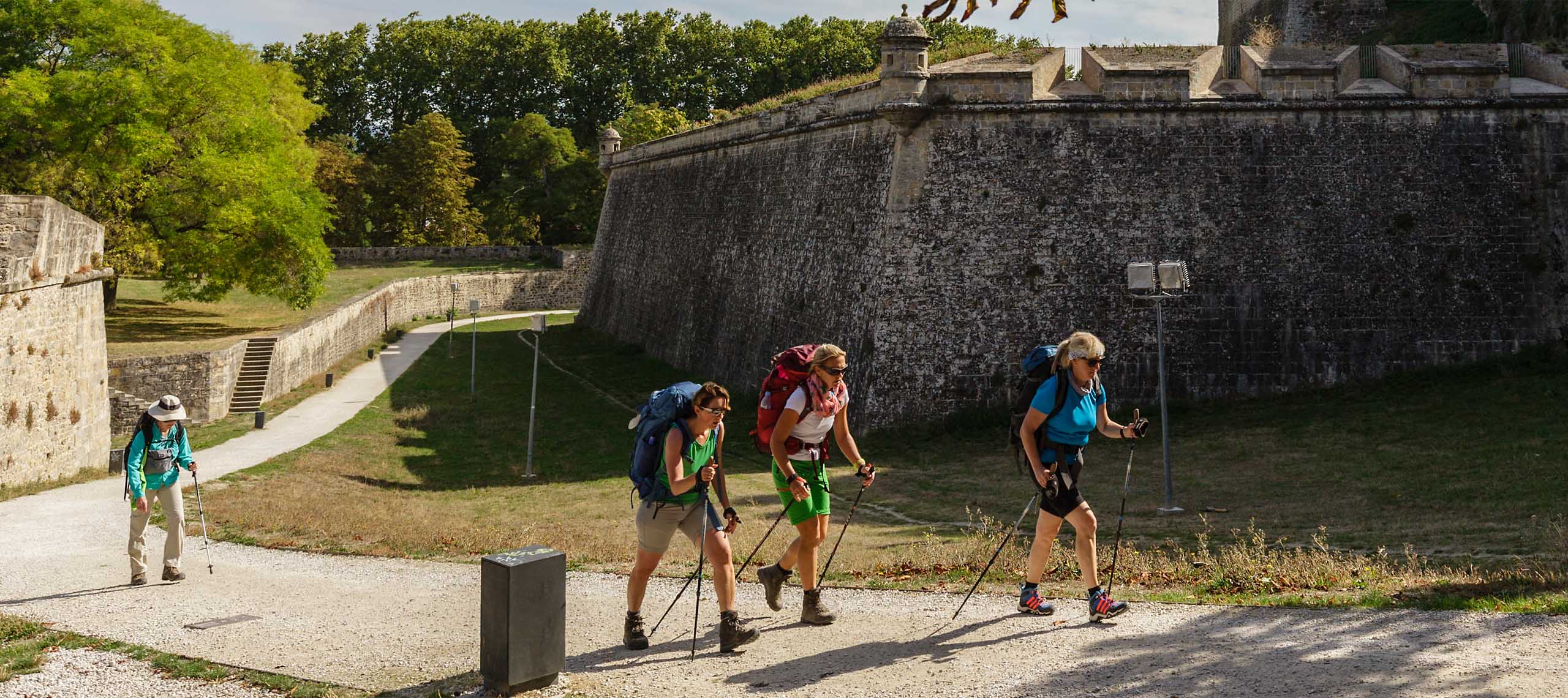
_2022020910000311.jpg.jpg "grupo de personas delante de la ermita de Santa María de Eunate")
Feel like staying on in nature?
-
Hiking
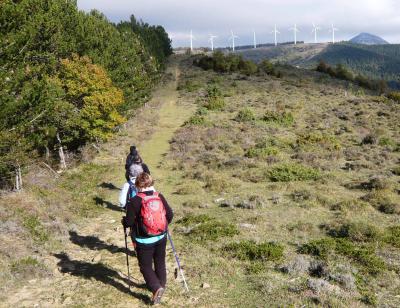
Hiking
-
Biking
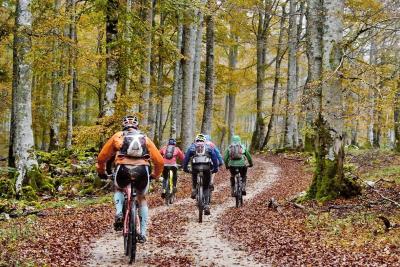
Biking
-
Adventure parks
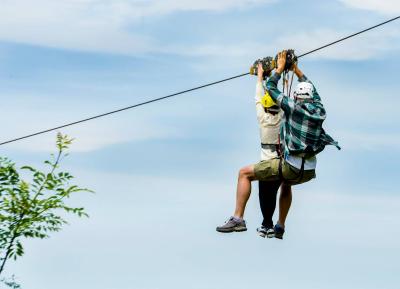
Adventure parks
-
Rural tourism
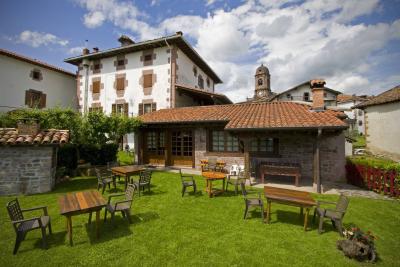
Rural tourism
-
Way to St James
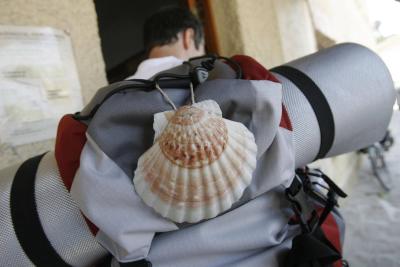
Way to St James