

16 jun, 2026
Guide to the San Fermín festival: Pamplona’s great fiesta
BlogThe San Fermín festival: everything you need to know
The San Fermín festival is one of the best-known celebrations in the world. Every year, from 6 to 14 July, Pamplona becomes a hive of tradition, culture and fun. Thousands of people come from all over the world to enjoy the fiesta, famous not only for the running of the bulls but also for its festive atmosphere, food and wealth of cultural expression.
It's considered a Festival of International Tourist Interest and recognised as one of the most universal in Spain. Beyond running in front of the bulls, the festival is a street party, all about sharing joy and a feeling of community.
In this guide, you’ll discover what the festival is, what the main events held during it are, how these have evolved over time and how strong Pamplona's commitment to sustainability, social harmony and security during the festivities is.
What is the San Fermín festival?
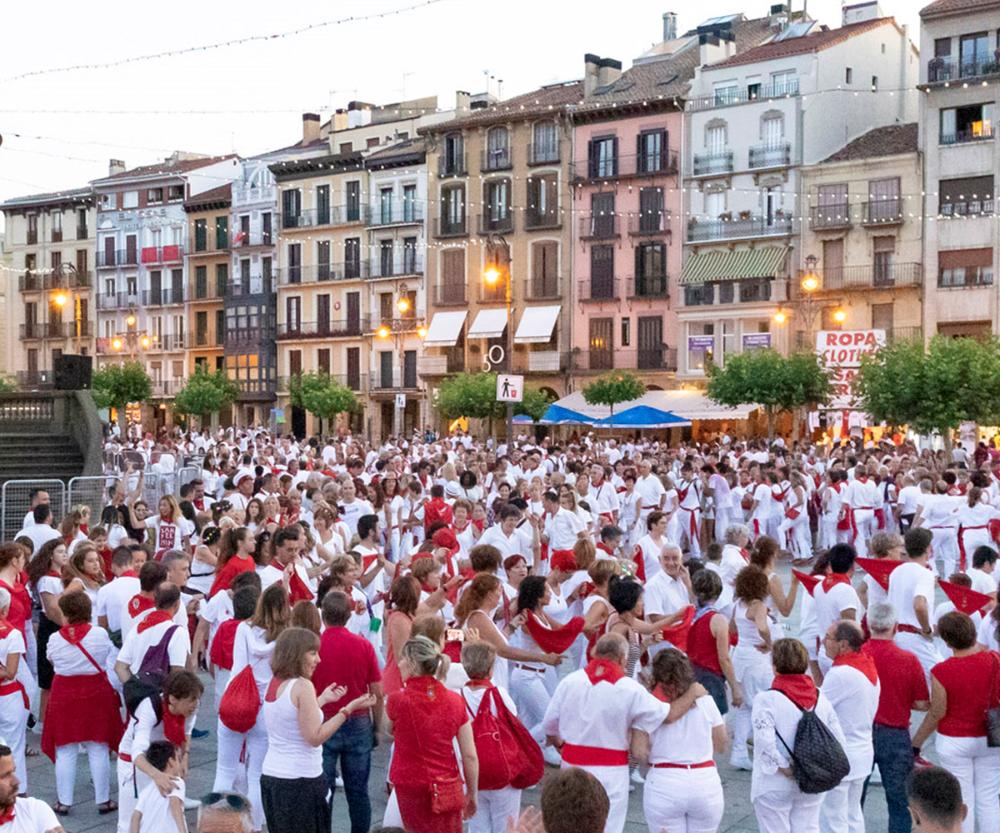
The festival is held in honour of San Fermín, the first bishop of Pamplona and co-patron saint of Navarre. For nine days, the city drapes itself in white and red, colours that symbolise purity and passion, and welcomes thousands of visitors seeking to experience one of the most intense parties in the world for themselves.
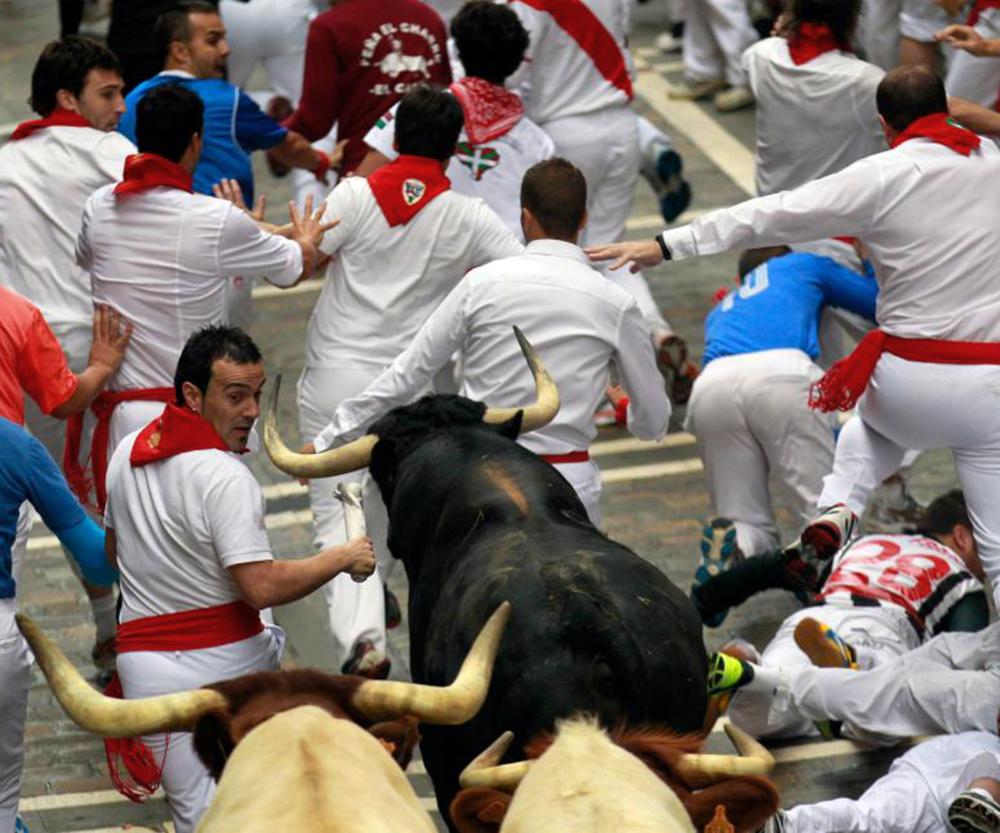
The most famous event is the running of the bulls, where runners and bulls cover the 875 metres that separate Cuesta de Santo Domingo from the city’s bullring. But the San Fermín festival is much more than just that: it’s also the traditional procession in honour of the saint, the troupe of gigantes and cabezudos (giants and bigheads), concerts and activities for all ages, typical food and spectacular firework displays every night.
Pamplona is transformed into a unique setting where you can feel the party absolutely everywhere and the whole city celebrates without rest.
Los actos principales de las fiestas de San Fermín
Although the programme is quite packed, there are certain events that define the festival and which you shouldn’t miss for anything in the world:
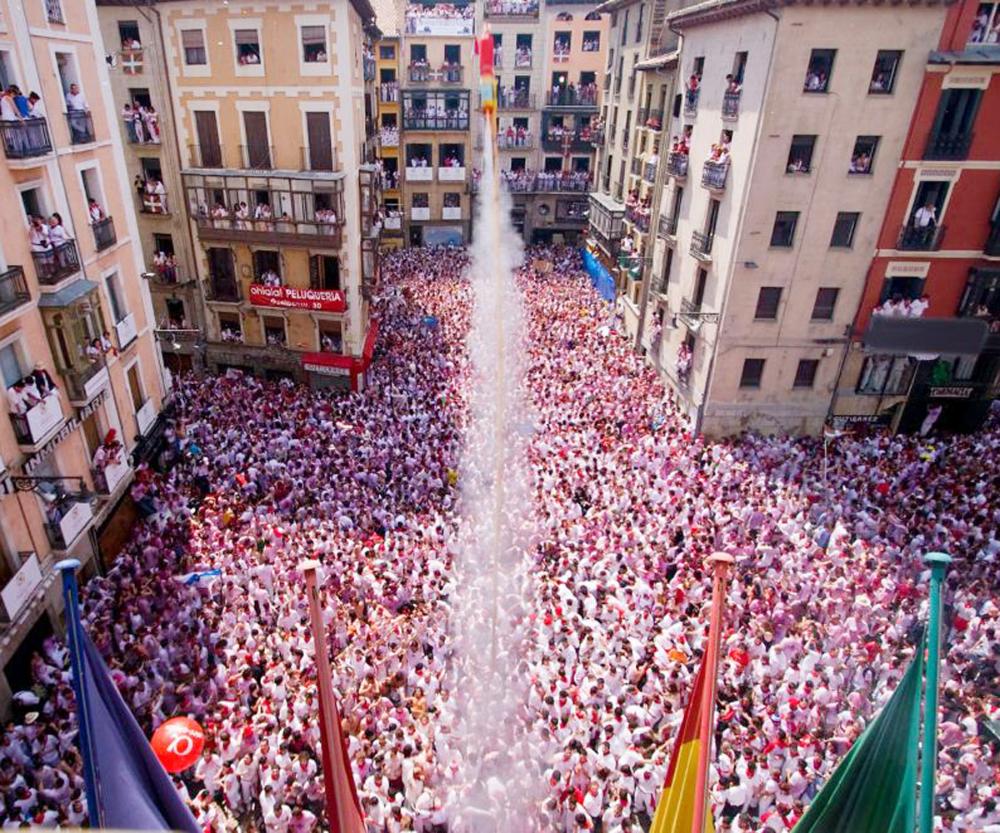
- Chupinazo (12 p.m., 6 July): the launch of the skyrocket from Pamplona city hall that officially marks the start of the festivities. Lots of people go to Plaza Consistorial to experience it first-hand, while others prefer to see it from a balcony or on giant screens installed at strategic points in the city.
- The running of the bulls (8 a.m. from 7 to 14 July): every morning, hundreds of runners challenge the bulls over an 875-metre course to the bullring, followed live by millions of television viewers.
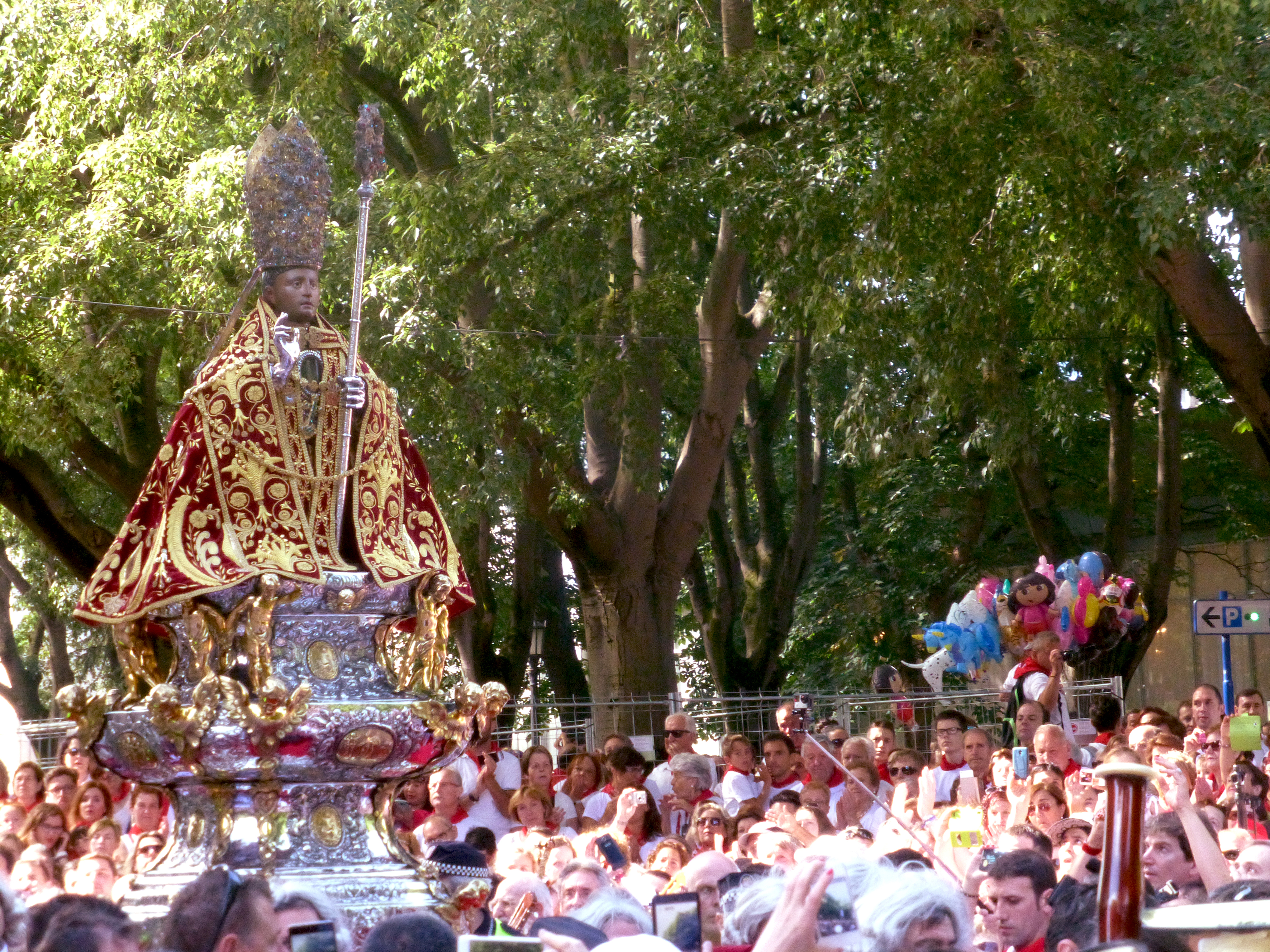
- San Fermín procession (7 July): the figure of the saint is borne through the streets of Pamplona’s old town, escorted by the local authorities and the faithful. The troupe of gigantes and cabezudos accompanies the procession along the way, enlivened by local bands and spontaneous jotas sung from balconies.
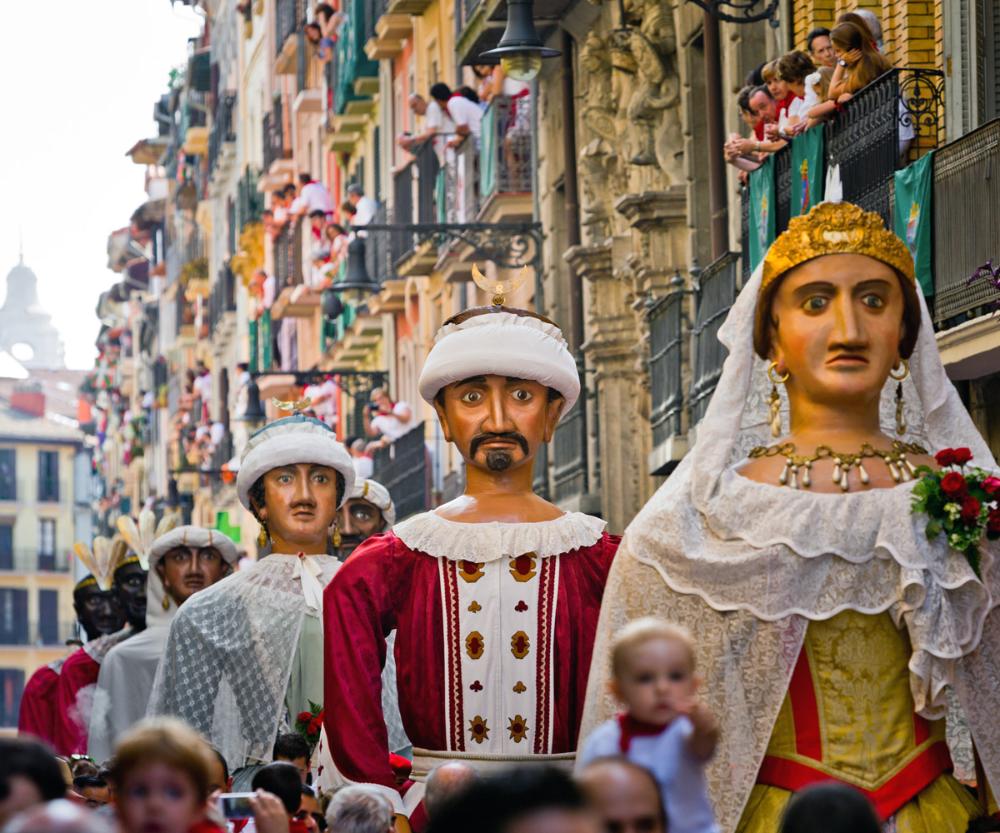
- Gigantes and cabezudos: everybody looks forward to the appearances of the troupe of gigantes and cabezudos during the festival. These figures, which represent four pairs of kings and queens belonging to four different ethnicities, parade through the streets to the sound of Navarrese dulzainas and txistu fipple flutes, and have become a true symbol of Navarrese culture. Their presence is a must for grown-ups and children alike.
- Firework displays. When night falls, Vuelta del Castillo in Pamplona becomes the stage for a spectacular international fireworks competition. During the festival, the sky lights up every night with original choreographies of light and colour to the astoundment of both adults and children, and has become one of the most eagerly anticipated events on the festival programme.
- Pobre de mí (closing ceremony): Midnight on 14 July marks the end of the festivities, which comes with the traditional Pobre de mi (Poor old me!). Thousands of people gather in Plaza Consistorial bearing candles and red neckerchiefs, singing the song that bids farewell to the festival until next year. It is a highly emotional moment crammed with symbolism reflecting the union and collective spirit of the city.
History and evolution of the San Fermín festival
The origin of the San Fermín festival dates back to the Middle Ages, when religious events in honour of the saint coincided with fairs, which involved markets and commerce that drew people to the centre of the city from all around, and bullfights and the original running of the bulls, which started off as local events. Over time, these traditions merged and gave rise to the San Fermín festival as we know it today.
International fame came in the 20th century thanks to the American writer Ernest Hemingway, who, fascinated by the fervour he found in Pamplona, captured the festival in his novel The Sun Also Rises (1926). Since then, visitors from all over the world have been drawn by the vibrant image of the city he managed to convey.
The festival today is a combination of tradition and modernity: religious and bullfighting events maintain their historical essence, while the cultural, musical and family-oriented programme does nothing but grow from year to year.
The atmosphere in Pamplona during the festival
But what really sets the San Fermín festival apart is the vibrant, contagious atmosphere that pervades every street, square and nook of Pamplona. The city metamorphoses into a unique setting where tradition, culture, gastronomy and fun melt into one, offering visitors and locals an unforgettable experience.
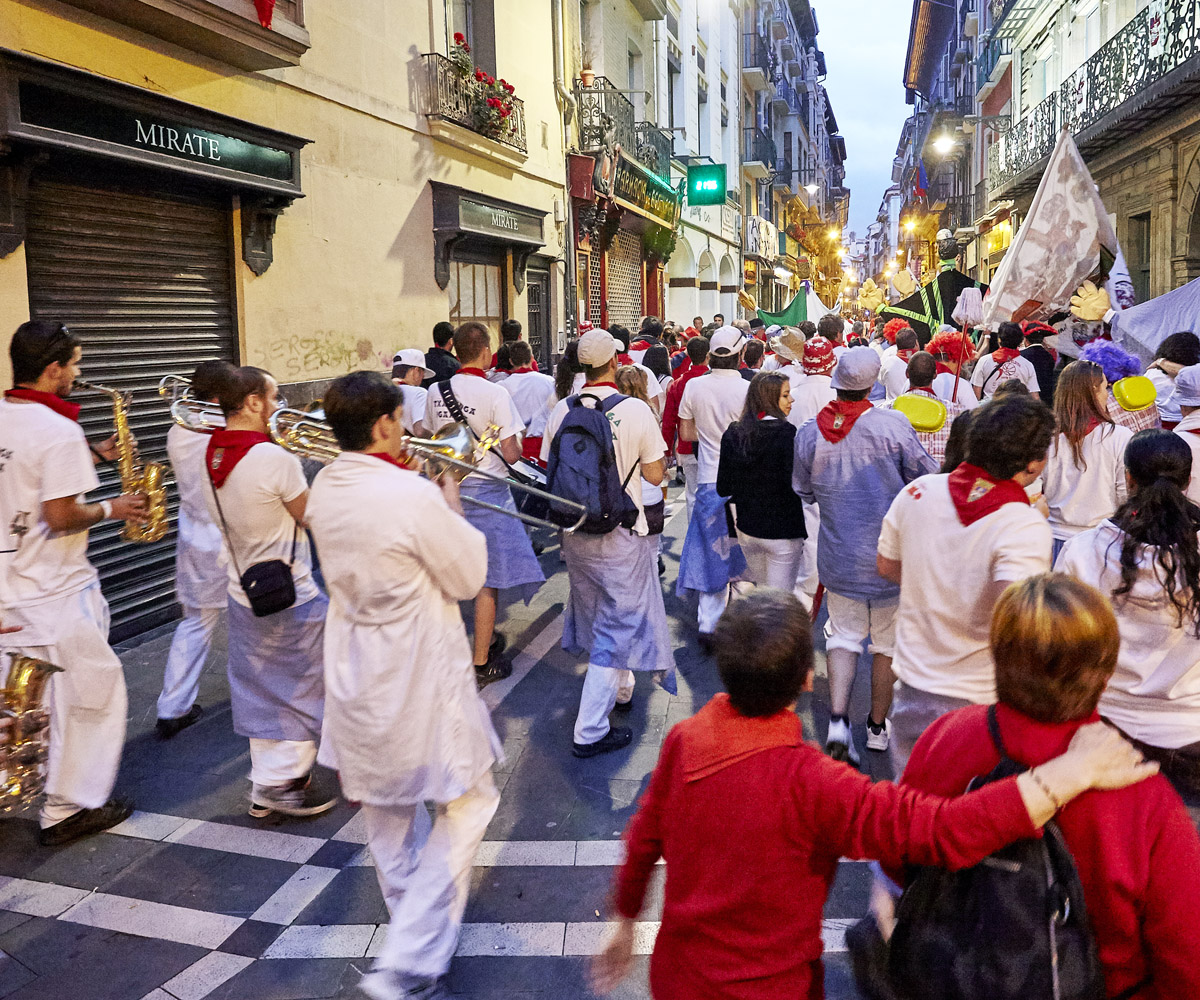
- The San Fermin peñas (social clubs) fill the city's squares and streets with music and joy from early in the morning until well into the night, constantly accompanying every event.
- The bars and restaurants in the old town are always open, offering visitors everything from classic tortilla and pintxos to traditional dishes like cod ajoarriero-style, bull stew and the timeless magras con tomate (ham cooked in tomato frito).
- The city becomes a true international meeting point: people from the four corners of the world converge on Pamplona to savour the experience. Different languages and cultures cross paths in the streets, creating a unique cosmopolitan atmosphere.
- Local hospitality makes all the difference. The people of Pamplona, proud of their traditions, receive everyone who comes warmly and enthusiastically, spreading that special energy which makes the San Fermín festival one of the most best-known festivities in the world.
Food in the San Fermín festival
Food is one of the things that makes the San Fermín festival unique. In addition to the running of the bulls and the music, meals and eating together are an essential part of the festive experience. During these days of celebration, Pamplona lays on a wide variety of dishes, local products and traditional culinary experiences which reflect the richness of Navarrese cuisine.
The most characteristic flavours you can try are:
- Txistorra sausage and bull stew, closely associated with the bullfighting tradition and a feature on tables during the festival.
- Pochas beans, one of Navarre’s most typical dishes, made with tender beans that win over both lovers of home cooking and those who enjoy trying local recipes.
- The pintxos and fritos in the bars of the old town, where you can taste everything from the most classic pintxos to innovative creations that combine tradition and groundbreaking gastronomic ideas.
- ‘Navarra’ Designation of Origin wines, perfect with any meal, along with the ubiquitous kalimotxo, a popular drink which can be found just about everywhere during the festival.
- And we mustn't forget one of the rituals closest to the hearts of locals and visitors alike: churros from La Mañueta. This century-old churrería only opens at certain times of the year and the San Fermín festival is one. It has become a must for everyone who wants to start the day with an authentic breakfast.
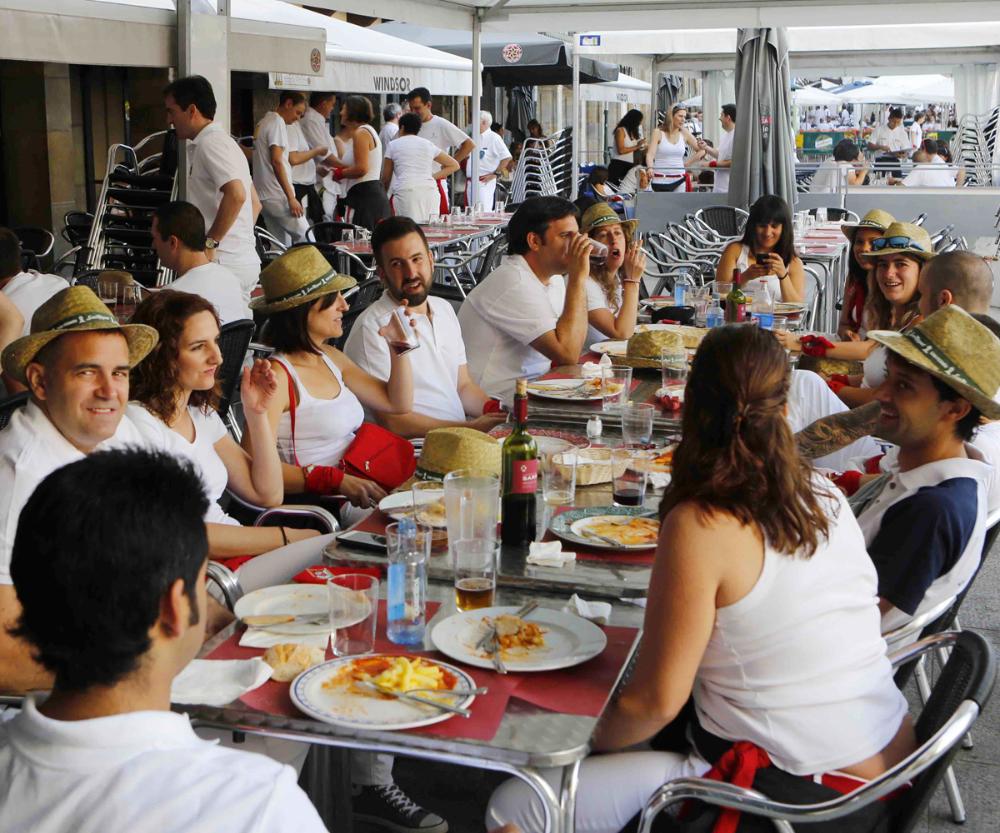
Trying Pamplona’s gastronomy during the San Fermín festival is, in itself, a way to experience the festival: sitting out on a bar terrace, touring the pintxos bars, enjoying traditional flavours and toasting with friends are part of the shared experience that makes this festival a first-rate cultural and social event.
A sustainable festival in Pamplona: social harmony and security
For all its good points, the San Fermín festival poses important challenges in terms of sustainability, urban cleanliness, social harmony and the security of those taking part in it. To address these, the different institutions promote every year measures to nurture a responsible, inclusive festival which respects both the environment and people.
This commitment to social harmony is reflected in awareness campaigns against sexual/sexist abuse and harassment in order to guarantee a safe festive environment for everyone based on equality and respect.
The use of recycling bins and selective waste collection points is also encouraged during the festival. One of the most notable initiatives and now a symbol of Pamplona's commitment to the environment is the promotion of reusable cups which cost just 1 euro to reduce plastic consumption and help minimise the festival’s environmental footprint.
In addition to all this, the municipal cleaning service reinforces shifts and resources with teams that work day and night to keep the streets, squares and the route of the running of the bulls clean. This joint effort, which relies on the invaluable help of the local population, makes for a cleaner, safer and more environmentally friendly San Fermín festival, consolidating Pamplona as an example of a city committed to urban sustainability.
Conclusion
The San Fermín festival is so much more than the running of the bulls: it’s tradition, culture, good food and community. From the chupinazo at Pamplona city hall, the San Fermín procession, the troupe of gigantes and cabezudos, and the firework displays all the way through to the emotional Pobre de mí, every event reflects the essence of Pamplona and its people.
Living the San Fermín festival means letting yourself be carried away by emotion, sharing unique moments and discovering the strength of a tradition that’s more alive than ever.